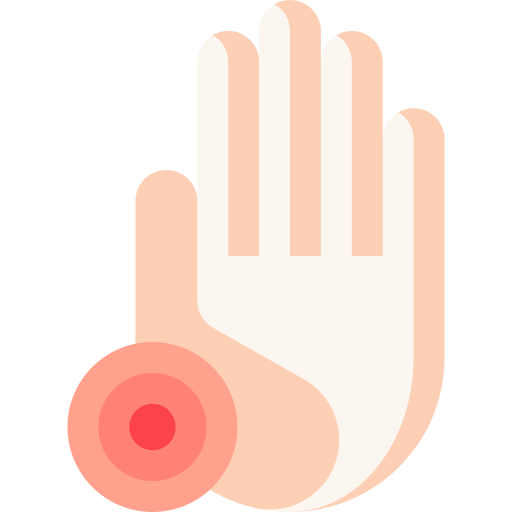
Carpal tunnel syndrome
Carpal tunnel syndrome occurs when the median nerve is compressed at the wrist. It can cause numbness, tingling, pain, and weakness—often affecting the thumb, index, middle, and part of the ring finger.
Hand care
Hand and wrist symptoms can affect grip, fine motion, sensation, sleep, and work. Numbness may point toward nerve compression; catching can involve a tendon; pain and stiffness may come from arthritis or injury. Small changes in hand function can have an outsized effect on everyday life.
Questions that help define the problem
Is there numbness or tingling in the thumb, index, or middle fingers?
Does a finger catch, lock, or release with a snap?
Did swelling, bruising, deformity, or loss of motion follow an injury?
Is thumb-base or knuckle pain making pinch and grip difficult?
Common discussion areas
These summaries are educational, not a diagnosis. Similar symptoms can come from different structures and require different care.
Carpal tunnel syndrome occurs when the median nerve is compressed at the wrist. It can cause numbness, tingling, pain, and weakness—often affecting the thumb, index, middle, and part of the ring finger.
A trigger finger may catch or lock as an irritated tendon moves through a narrowed pulley. Some people notice a tender spot in the palm or a finger that snaps between bent and straight positions.
Arthritis commonly affects the thumb base and finger joints. Pain, stiffness, swelling, deformity, and loss of pinch strength can develop gradually. Treatment choices reflect the joint involved and the degree of functional loss.
We treat fractures in patients of all ages, including pediatric patients. Falls, crush injuries, twisting, and sports contact can fracture a hand or wrist bone. Swelling, bruising, tenderness, deformity, or difficulty moving a finger or wrist warrant assessment.
When thumb-base arthritis or another structural problem remains limiting, surgery may be one option among splinting, medication, injections, therapy, and activity changes. The specific procedure depends on the joint and diagnosis.
Orthopedic context
The hand and wrist contain many bones, joints, tendons, muscles, ligaments, nerves, and blood vessels. Tendons connect muscle to bone, while pulleys and sheaths guide them through a precise path.
That complexity is why a clear symptom map—where pain travels, which fingers are numb, and what motion triggers the problem—matters during evaluation.
Your first visit
We start by listening to your concerns and understanding what matters to you. Then we work through the details that help shape your care.
Plan your visitBefore you leave, we’ll discuss the findings, answer your questions, and explain the next steps.
Treatment categories
Care may range from protection and therapy to a procedure, depending on the structure involved:
Explore our in-house services and meet the providers who can discuss your options.
A brace, splint, cast, or buddy strap may protect an injured or irritated structure while healing is monitored.
Hand therapy, activity changes, and medication may help restore motion or manage symptoms.
Some tendon, nerve, or arthritic conditions may be considered for injection after the diagnosis and risks are reviewed.
Repair, release, fixation, fusion, replacement, or tendon procedures may be discussed for selected problems.
Related care paths
 01
01Knee care
A clearer path through knee pain, stiffness, instability, and activity limits.
Explore knee care 02
02Shoulder care
Understand what may be limiting reach, strength, sleep, work, or sport.
Explore shoulder careReady for a clearer next step?
Share what is limiting you, what you have tried, and what you want to get back to. The office can help determine the appropriate appointment path.