Hip care

Hip arthritis and replacement discussions

SymptomsFunctionNext step
Direct answer

Hip arthritis can cause pain in the groin, thigh, buttock, or sometimes the knee, along with stiffness and reduced walking tolerance. Hip replacement is one possible treatment for advanced joint damage—not an automatic next step. The decision depends on the diagnosis, daily limitations, overall health, and response to non-surgical care.

Questions that help define the problem

Notice the pattern, not just the pain score.

  1. 01

    Is pain centered in the groin or deep in the hip?

  2. 02

    Are walking, stairs, shoes, socks, or getting out of a chair harder?

  3. 03

    Has the hip become stiff or started to limit sleep and daily plans?

  4. 04

    What treatments have already been tried, and what matters most now?

Common discussion areas

What may be part of the conversation.

These summaries are educational, not a diagnosis. Similar symptoms can come from different structures and require different care.

01

Hip arthritis

Hip arthritis is a change in the joint surface that may lead to pain, stiffness, and loss of motion. Age, prior injury, joint shape, and other factors can contribute. The level of pain and functional loss—not age alone—frames the treatment discussion.

02

Total hip replacement

A total hip replacement substitutes artificial components for the damaged ball and socket. The operation, approach, recovery, and risks should be discussed in the context of an individual patient’s health and goals.

03

Pain that mimics a hip problem

Back, tendon, bursa, or other problems can feel like hip-joint pain. The location of symptoms and physical exam help determine whether the joint is the primary source.

04

Preparing for a decision

A useful replacement conversation covers expected benefits and limits, complications, rehabilitation, home support, activity goals, and what happens if surgery is deferred.
Orthopedic context

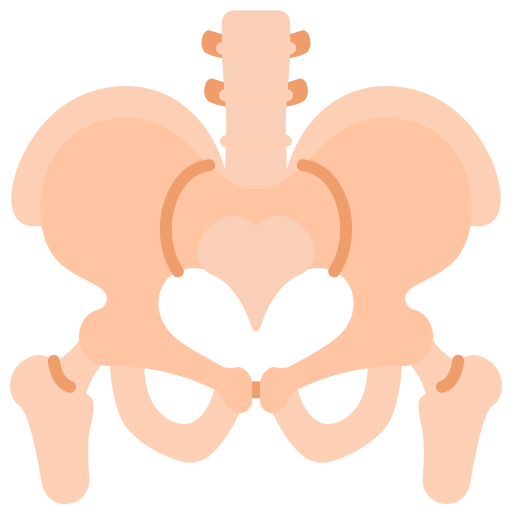
The hip is a ball-and-socket joint

The femoral head forms the ball and the acetabulum forms the socket. Cartilage covers the joint surfaces, and surrounding muscles and tendons help control motion.

When cartilage damage becomes advanced, the joint can become painful and stiff. Imaging can show the structural change, while the clinical conversation establishes how much it matters in daily life.

Your first visit

What to expect at your visit.

We start by listening to your concerns and understanding what matters to you. Then we work through the details that help shape your care.

Plan your visit

A focused look at your hip concerns

  • Pain location and effect on function
  • Hip, spine, gait, strength, and range-of-motion examination
  • Standing X-rays when clinically appropriate
  • Review of health factors and prior non-surgical care

Before you leave, we’ll discuss the findings, answer your questions, and explain the next steps.

Treatment categories

Options depend on the diagnosis, goals, and tradeoffs.

Before or alongside a replacement discussion, care may include:

Explore our in-house services and meet the providers who can discuss your options.

Activity and conditioning

Low-impact activity, targeted strengthening, weight management when relevant, and physical therapy may support function.

Medication or injection

Some patients discuss medication or image-guided injection after reviewing risks, likely benefit, and alternatives.

Decision support

When symptoms remain severe, the consultation should clarify candidacy, alternatives, surgical risks, and realistic recovery expectations.

Total hip replacement

Replacement may be considered when advanced joint damage and persistent symptoms outweigh the risks and non-surgical options no longer provide acceptable function.

Ready for a clearer next step?

Discuss your hip concerns with the office.

Share what is limiting you, what you have tried, and what you want to get back to. The office can help determine the appropriate appointment path.

Call Text Request a visit